International significance
The first confirmed impact crater in Central America, and one of the few large, young, exposed craters on Earth. That alone meets the scientific bar used by UNESCO Global Geoparks.
Geoheritage
Geoheritage is not only rare rock. It is the right to understand a landscape, to keep it intact, and to let the people who live on it benefit from telling its story.
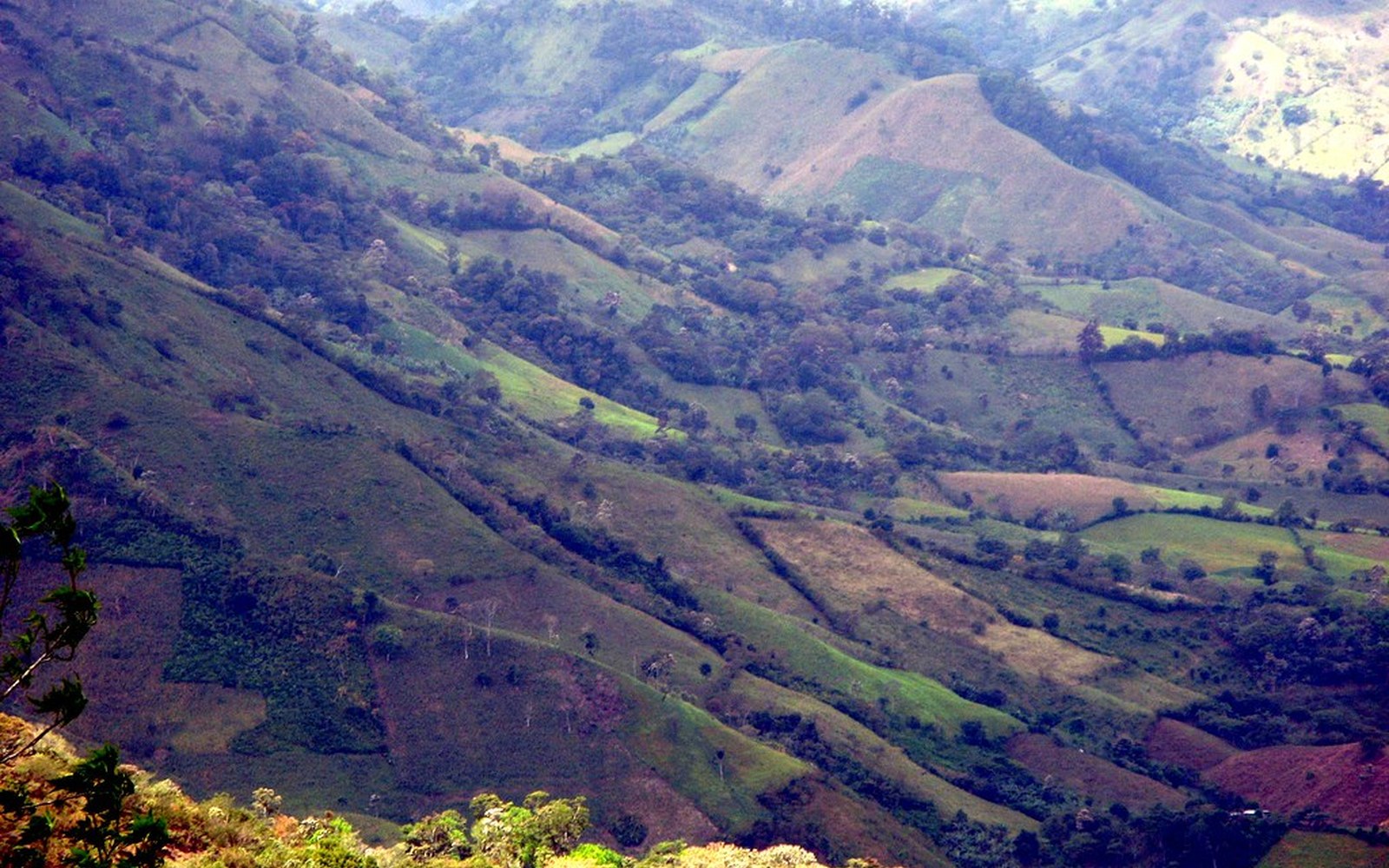
Valley landscape. svengaarn, Flickr
The first confirmed impact crater in Central America, and one of the few large, young, exposed craters on Earth. That alone meets the scientific bar used by UNESCO Global Geoparks.
The rim is a walkable landform. Impact glass can be shown, not only described. Elevation from floor to crest — 400 m to more than 1,000 m — gives the visitor a body-scale sense of the event.
Santa María de Pantasma is a coffee municipality of tens of thousands. A geopark that ignores the valley's people would be a quarry with a plaque. The Téllez proposal is explicit: research, education, recreation, and livelihoods together.
Latin America has far fewer documented large craters than Europe, North America, or Australia. Protecting Pantasma is also an argument for looking more carefully at the rest of the isthmus.
A UNESCO Global Geopark is not a national park. It is a territory with a management structure, education, conservation, and sustainable tourism — always with local communities in the room.
01
Map geosites: rim viewpoints, glass localities, the river outlet, ejecta, the village grid. Pair them with coffee fincas, oral history, and bird habitat.
02
A partnership among the municipality, community cooperatives, INETER, universities, and the tourism board — not a remote NGO owning the story.
03
An interpretation centre in the valley, bilingual signage on the rim, a field school, and a curriculum that Nicaraguan students can use.
04
Homestays, trained local guides, dark-sky nights, coffee itineraries. Money stays in Pantasma.
05
No unregulated collecting of impact glass. No rim-top hotels that break the skyline. Trails that do not open the slopes to erosion.
Téllez's Pantasma Crater Project is an ecotourism proposal built on the crater's astrotourism potential and its exceptional scientific and scenic value. The document argues that the structure — from a 400-metre floor to rims above 1,000 metres — can support research, education, recreation, and sustainable development at once. This website takes that brief as the brief.
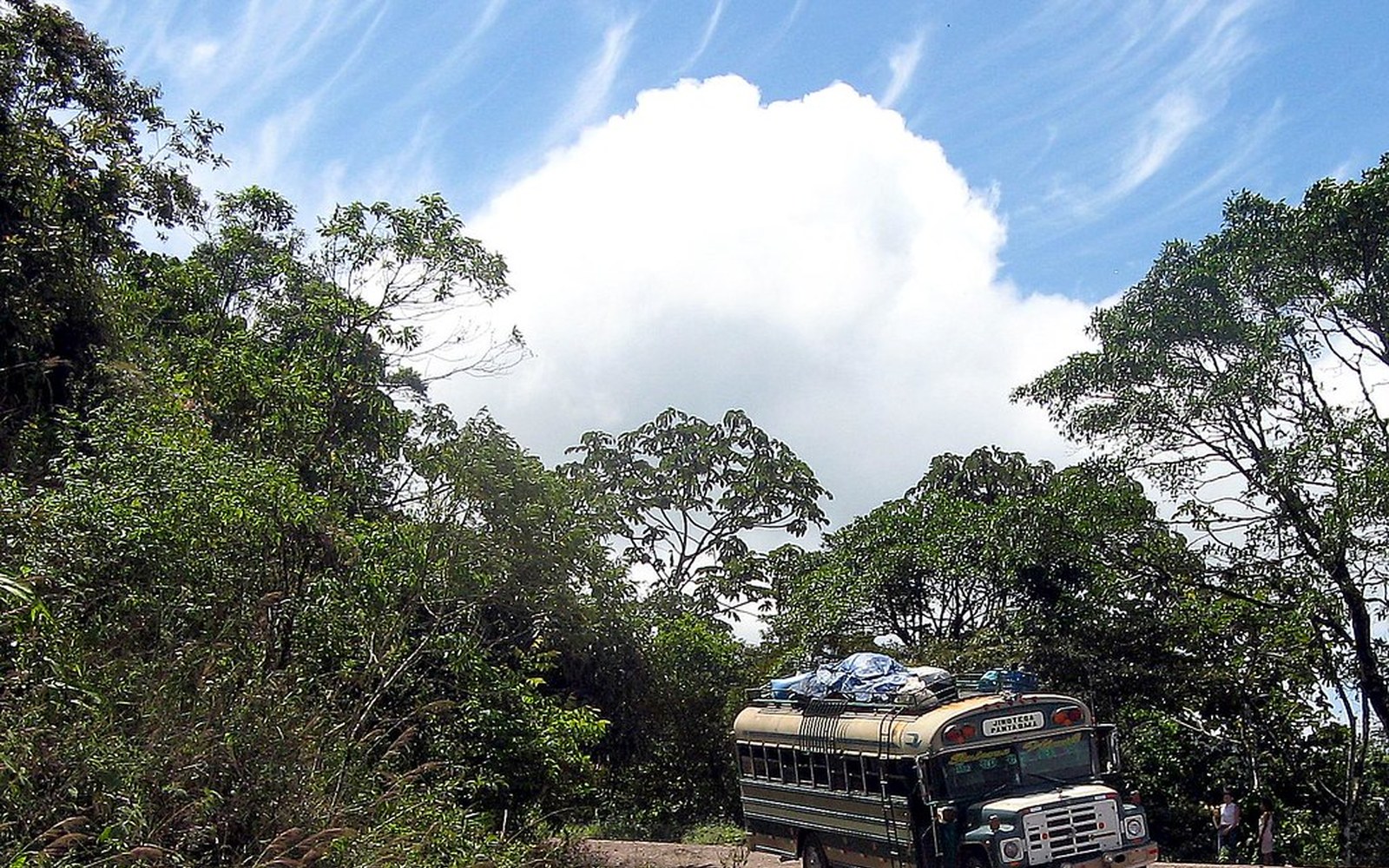
The missing piece is a small interpretation centre in Santa María de Pantasma: a room for the glass and the maps, a classroom, a place to hire a guide, a dark-sky deck on the rim. Not a mega-museum. A door the community owns.