Official
craterpantasma.org
Official. Secured. Heritage tone, bilingual, the flagship.
The initiative
The science is published. The tourism proposal is written. The public address is craterpantasma.org. What remains is a coalition in Jinotega that can carry a geopark dossier.
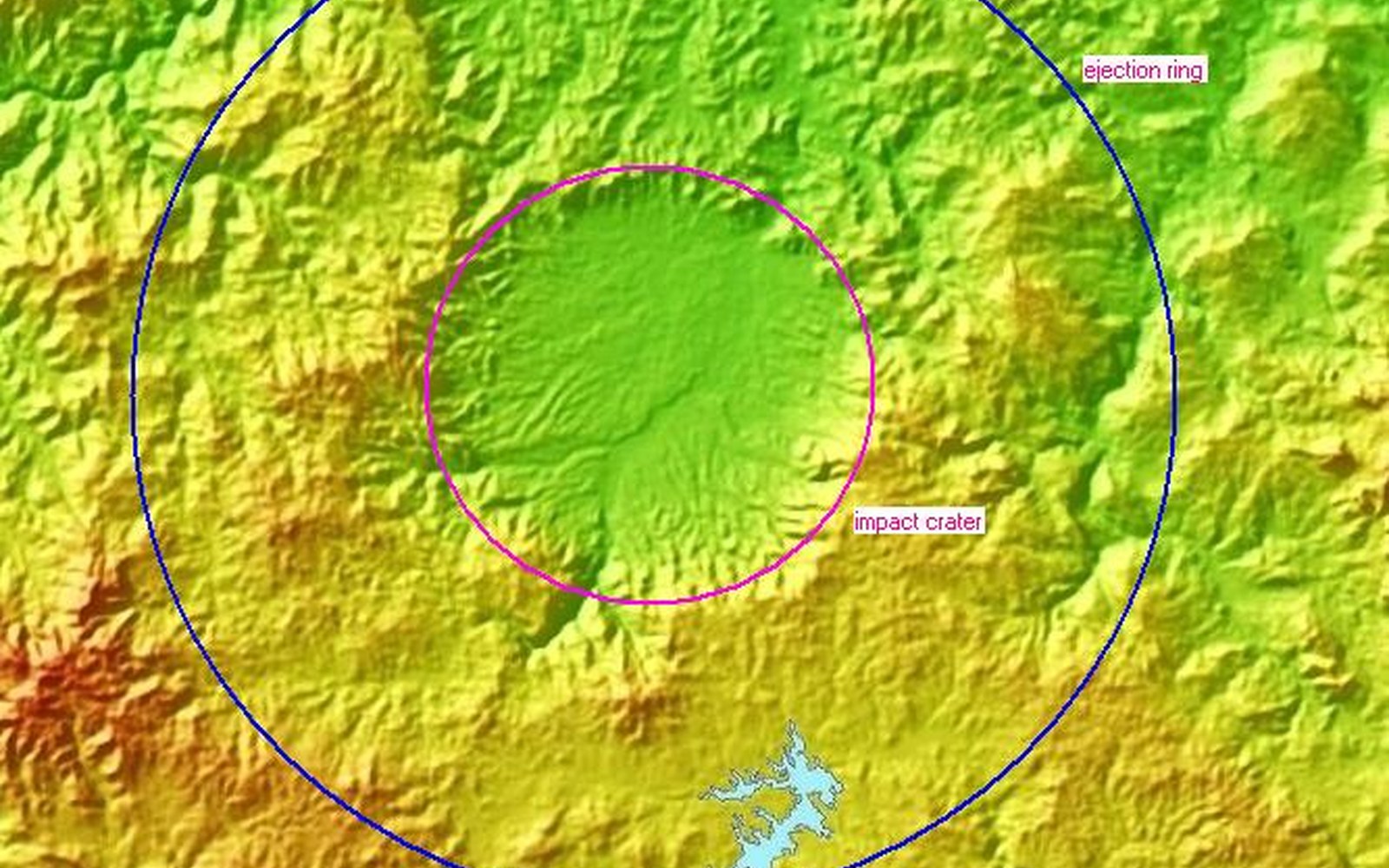
Shade relief of the crater and a wider ring. Shaded relief: Dr. Wilfried Strauch, INETER (Instituto Nicaragüense de Estudios Territoriales). Shared with and first published by Leo Kowald on Pantasma.com ↗.
craterpantasma.org is secured. pantasma.com stays Leo Kowald's discovery site — a scientific cousin, not a competitor. Optional redirects can wait.
Official
Official. Secured. Heritage tone, bilingual, the flagship.
02
Useful Spanish redirect later. States the UNESCO ambition in the URL.
03
Natural Spanish search. Optional alias.
04
Tourism-forward alias if a visitor campaign needs it.
05
English scientific alias. Redirect, not the flagship.
06
Explicit mission. Optional.
The live site should answer at craterpantasma.org and www.craterpantasma.org. Extra names, if bought, should redirect here — not host a second story.
Messages stay on this device until a real inbox is connected. Use it as a draft, or send via your own mail.